
SUGAR
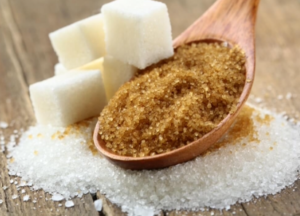
Description
Sugar is a vital sweetener and preservative derived from
sugarcane or sugar beets. It comes in various forms—granulated,
powdered, and raw—each serving distinct culinary and
industrial purposes.
Uses:
Food and beverage industries (sweetener for baked goods,
confectionery, soft drinks)
Pharmaceuticals (flavoring syrups and medicines)
Fermentation processes (brewing, distilling)
Personal care products (scrubs, exfoliants)
Variations:
White Granulated Sugar – Refined for wide-scale food
manufacturing and household use.
Raw (Turbinado or Demerara) Sugar – Minimally processed
with a distinct molasses flavor.
Powdered/Confectioner’s Sugar – Finely ground for icings and
desserts.
Brown Sugar – Contains molasses for richer flavor and moisture.
DRY FRUITS
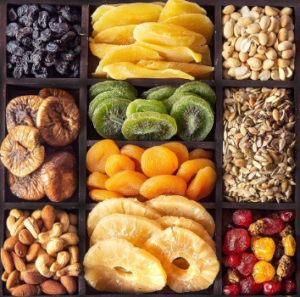
Description:
Dry fruits are fruits that have been dehydrated to
extend their shelf life and concentrate their flavors.
They are prized for their sweetness, portability, and
nutritional density
Uses:
Snacks and trail mixes
Baking and confectionery (cakes, granola bars)
Culinary garnishes (salads, desserts)
Traditional medicines and herbal teas
Variations:
Raisins, Dates, Figs, Apricots, Prunes – Common
dried fruits with distinct flavors.
Sulfured vs. Unsulfured – Some dried fruits are
treated to preserve color and extend shelf life.
Sweetened vs. Unsweetened – Varied sugar content
to cater to different health preferences.
COFFEE

Description:
Coffee is a globally traded commodity made from roasted coffee
beans, derived from the Coffea plant. The two main types are
Arabica (smooth, aromatic) and Robusta (strong, higher
caffeine).
Uses:
Beverage Industry: Used in espresso, lattes, and instant coffee.
Cosmetics: Found in skincare products for exfoliation and anti-
aging.
Agriculture: Used as compost and natural fertilizer.
Variations:
Brewed Coffee: Standard drip, French press, or pour-over.
Espresso-Based: Cappuccino, latte, macchiato, and Americano.
Cold Coffee: Iced coffee and cold brew for a smooth, low-acid
taste.
RICE
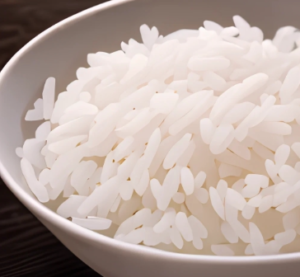
Description:
Rice is one of the world’s most widely consumed
staple grains, cultivated primarily in Asia but also
grown globally in suitable climates. It is essential to
many cultural cuisines and food security initiatives.
Uses:
Staple food across global cuisines
Processed into flour, cereals, and snacks
Brewing (sake, rice-based beers)
Cosmetic products (rice bran oil, rice water)
Variations:
Long-Grain (e.g., Basmati, Jasmine) – Aromatic,
ideal for pilafs and side dishes.
Medium-Grain (e.g., Calrose) – Slightly sticky,
popular in many Asian cuisines.
Short-Grain (e.g., Sushi Rice) – Sticky texture, used
in sushi and desserts.
Brown Rice – Whole grain variety with higher fiber
content.